Angel hair consists of wispy strands of material sometimes reported in the vicinities of UFO sightings and also at the Miracle at Fatima. They seem to be nets of spider migrating thru the air (ballooning) or some kind of mono-cellular organism
Corliss, W. R. (1983). Tornados, dark days, anomalous precipitation, and related weather phenomena Glen Arm, MD: The Sourcebook Project
Imbrogno, P. J. (2010). Files from the edge: A paranormal investigator’s explorations into high strangeness (1st ed.). Woodbury, MN: Llewellyn Publications
Basterfield, K. (2001, March). A catalogue and analysis of Australasian “Angel Hair” cases
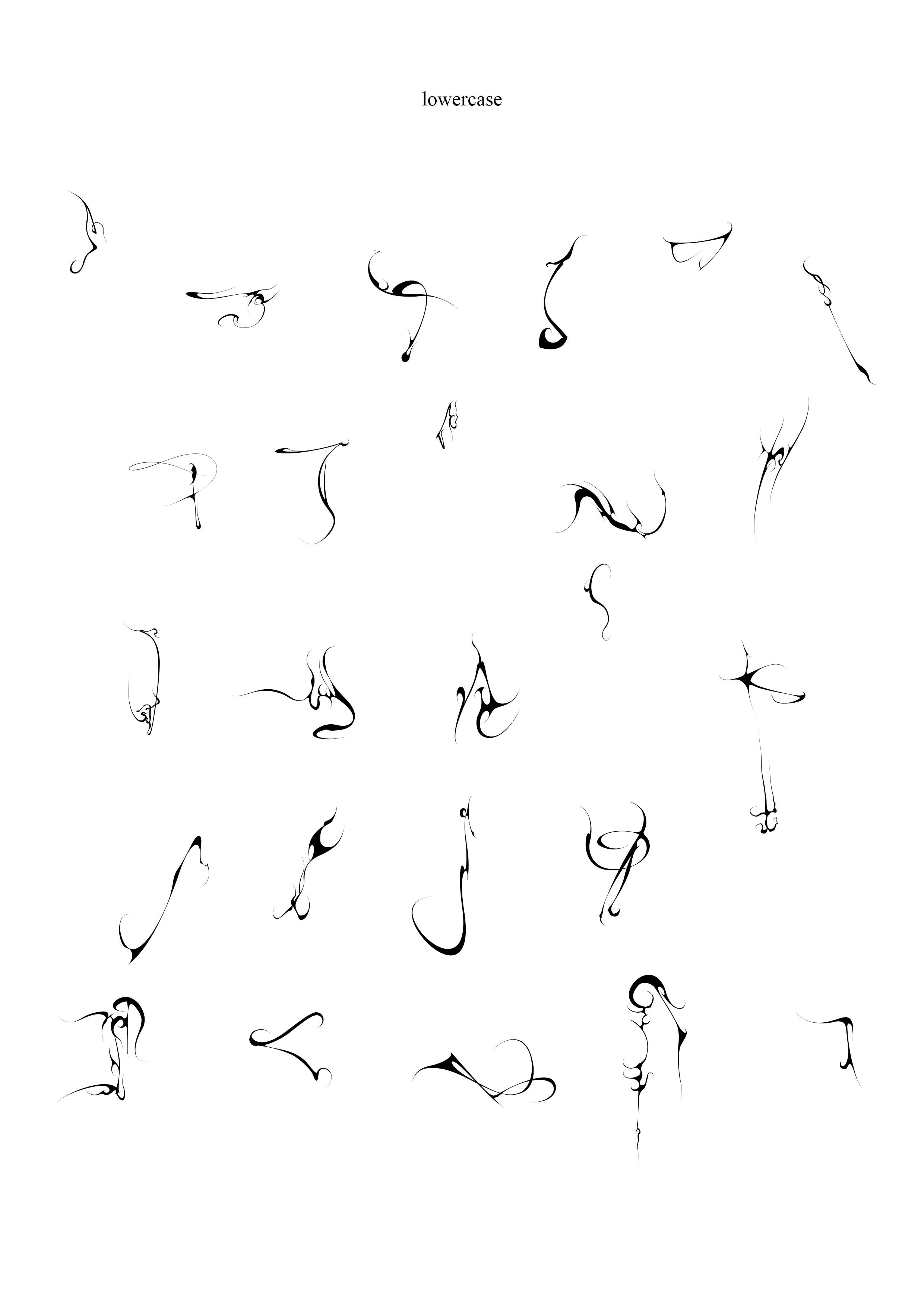
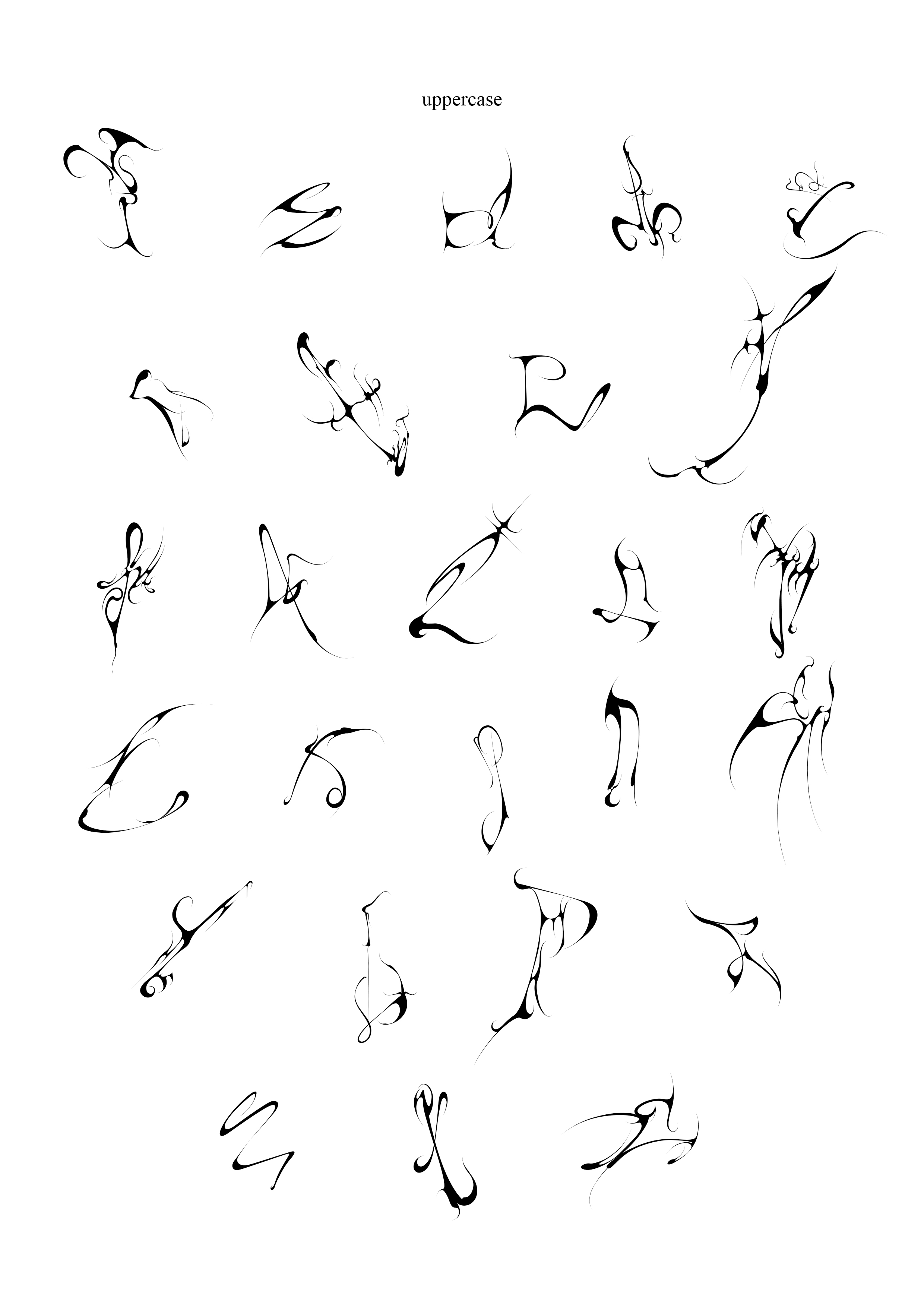
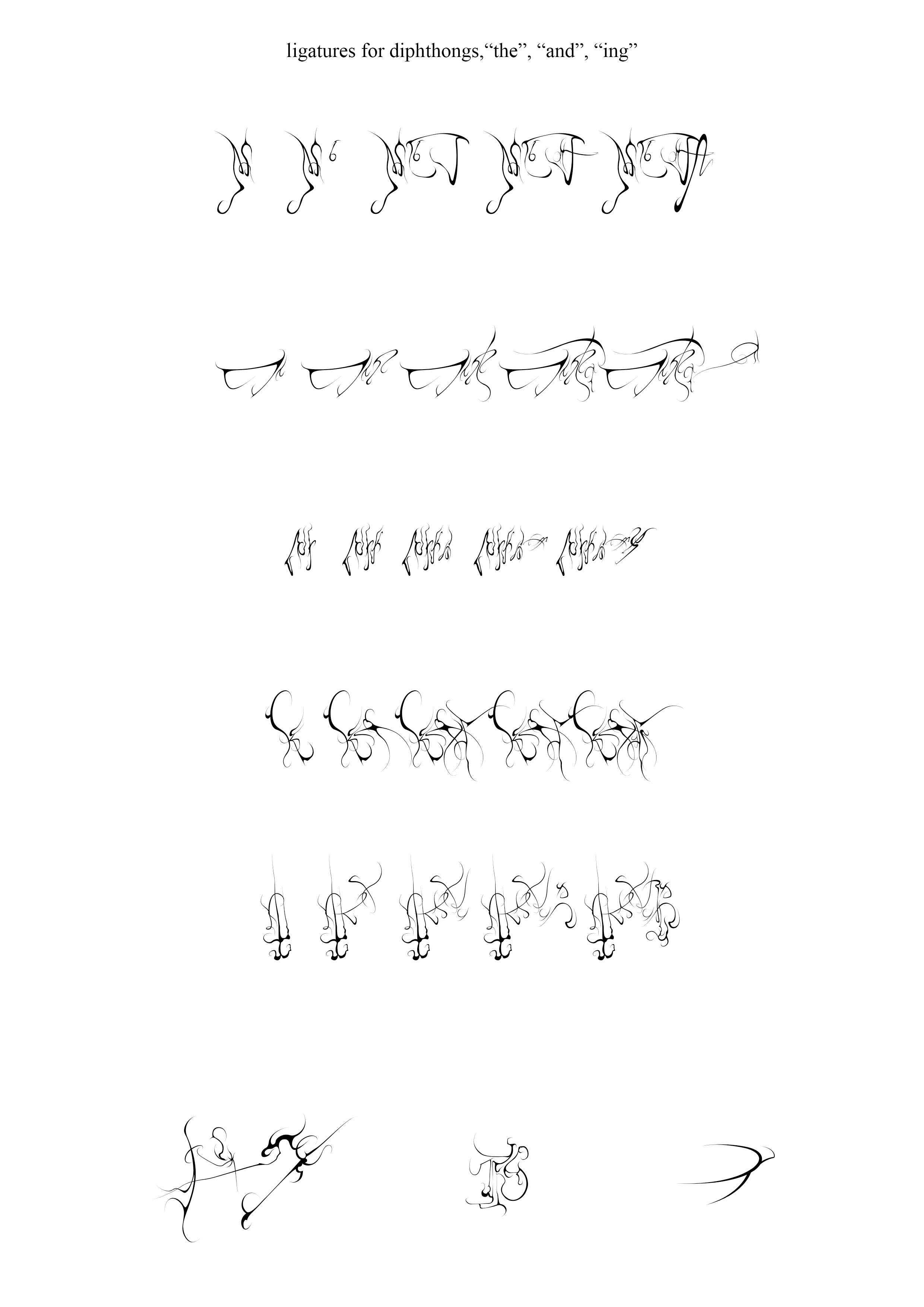
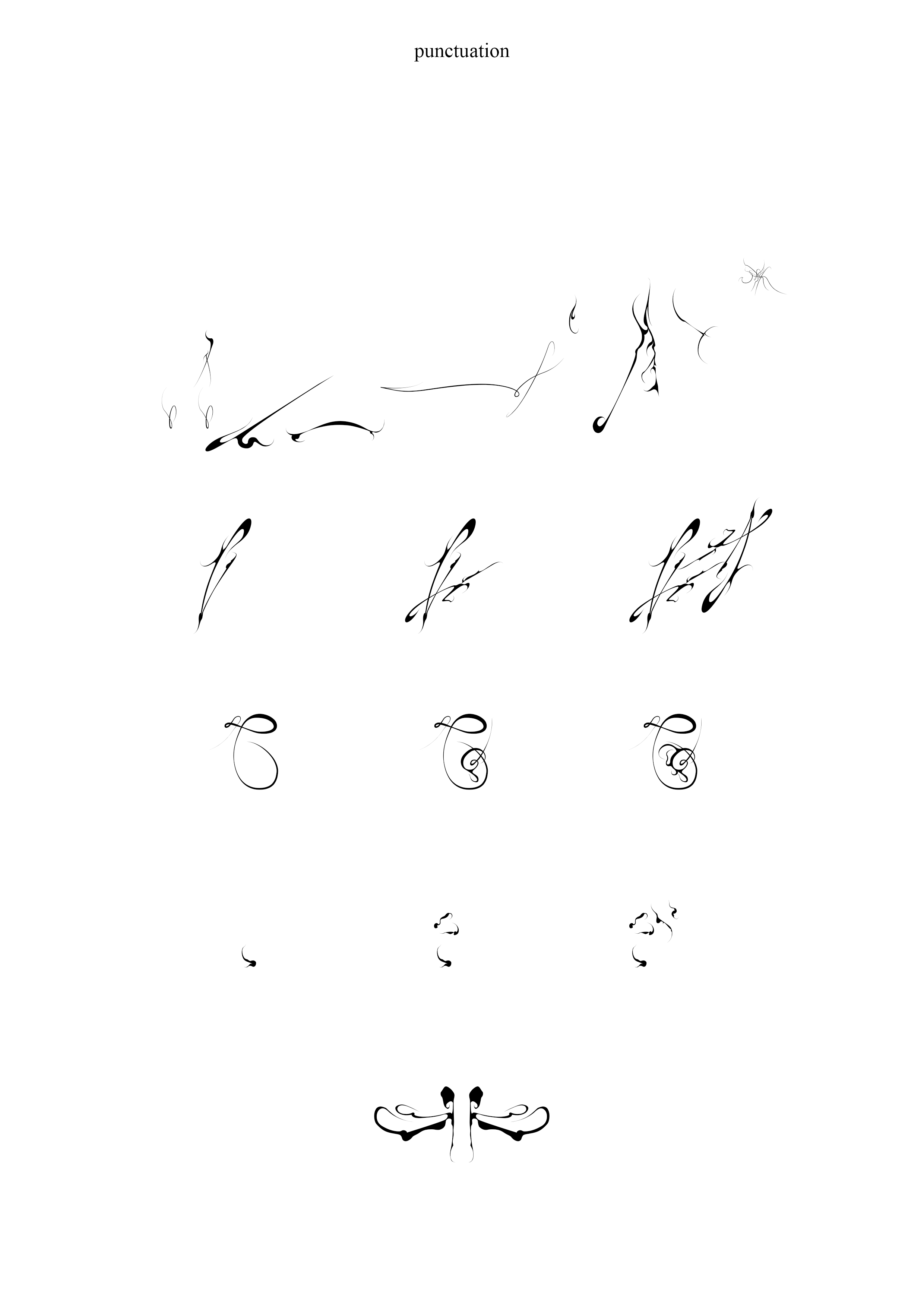
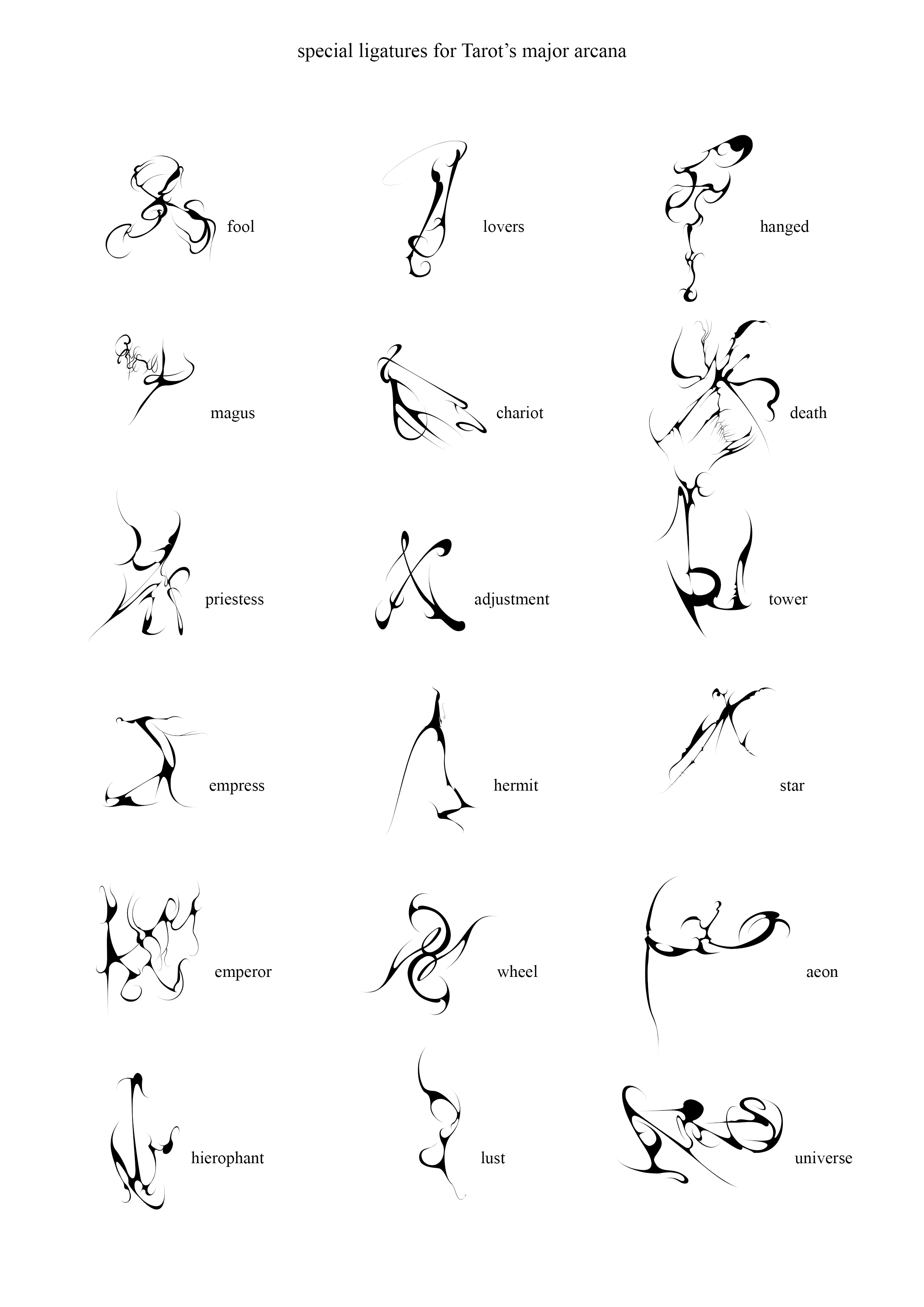
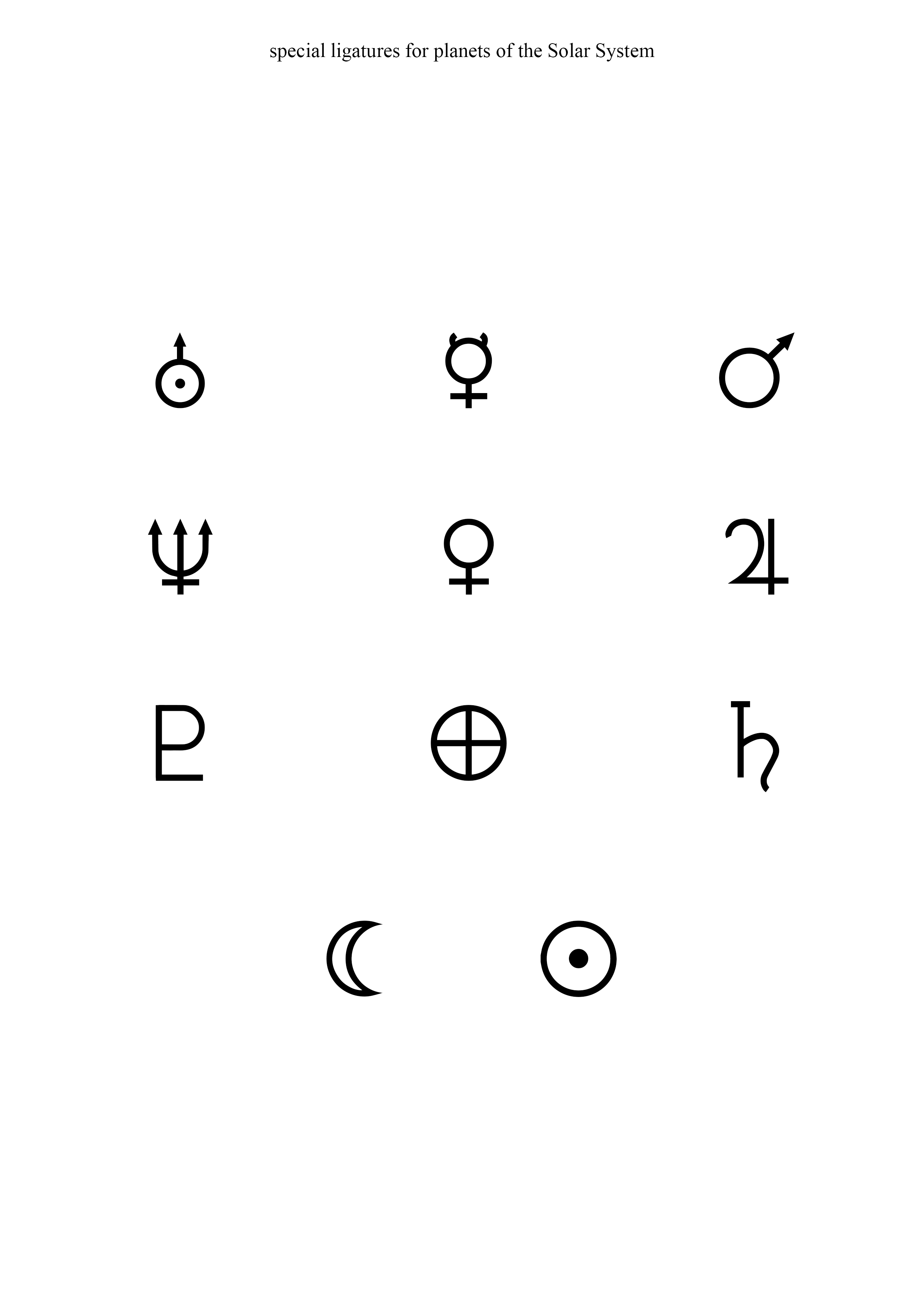
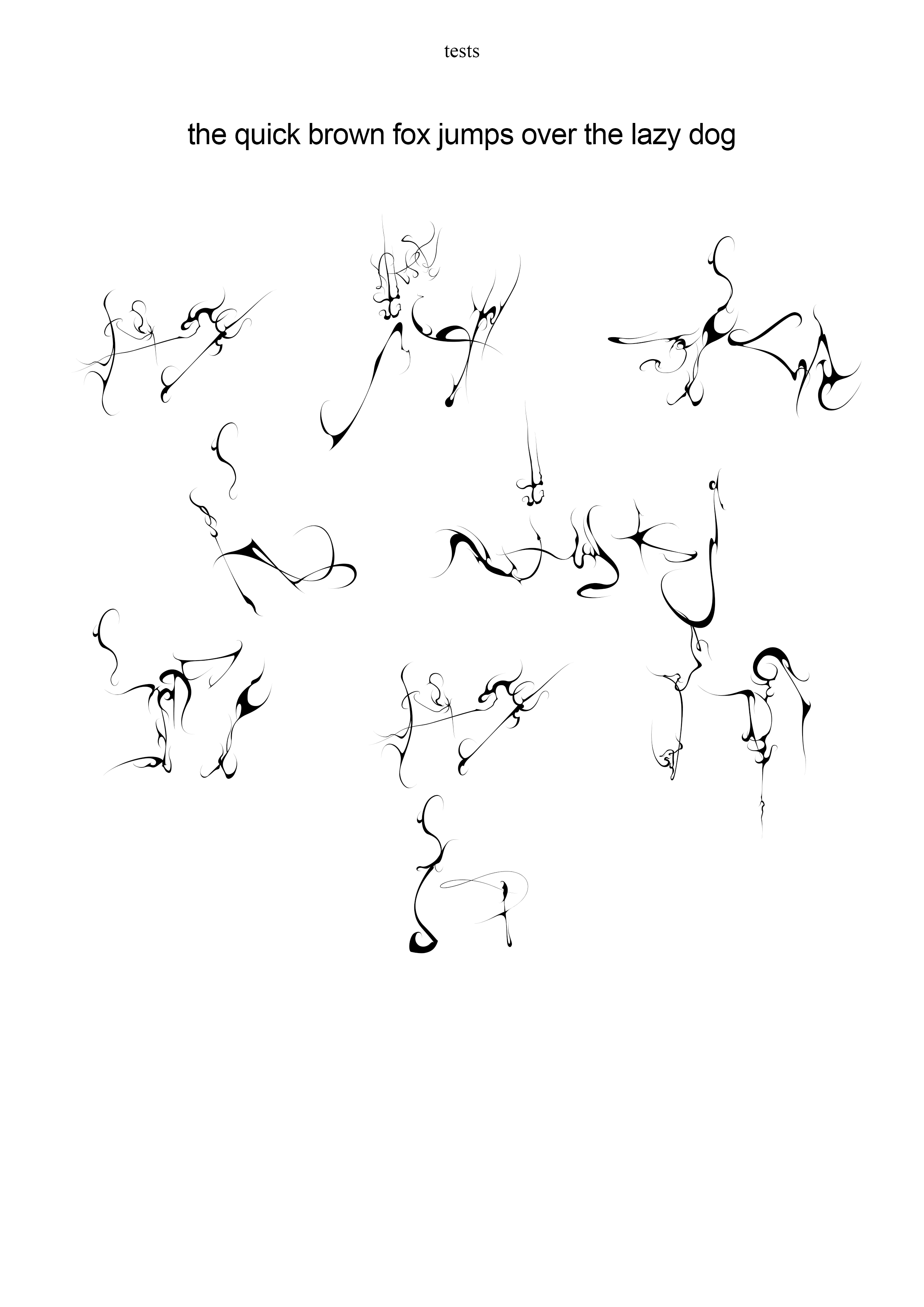
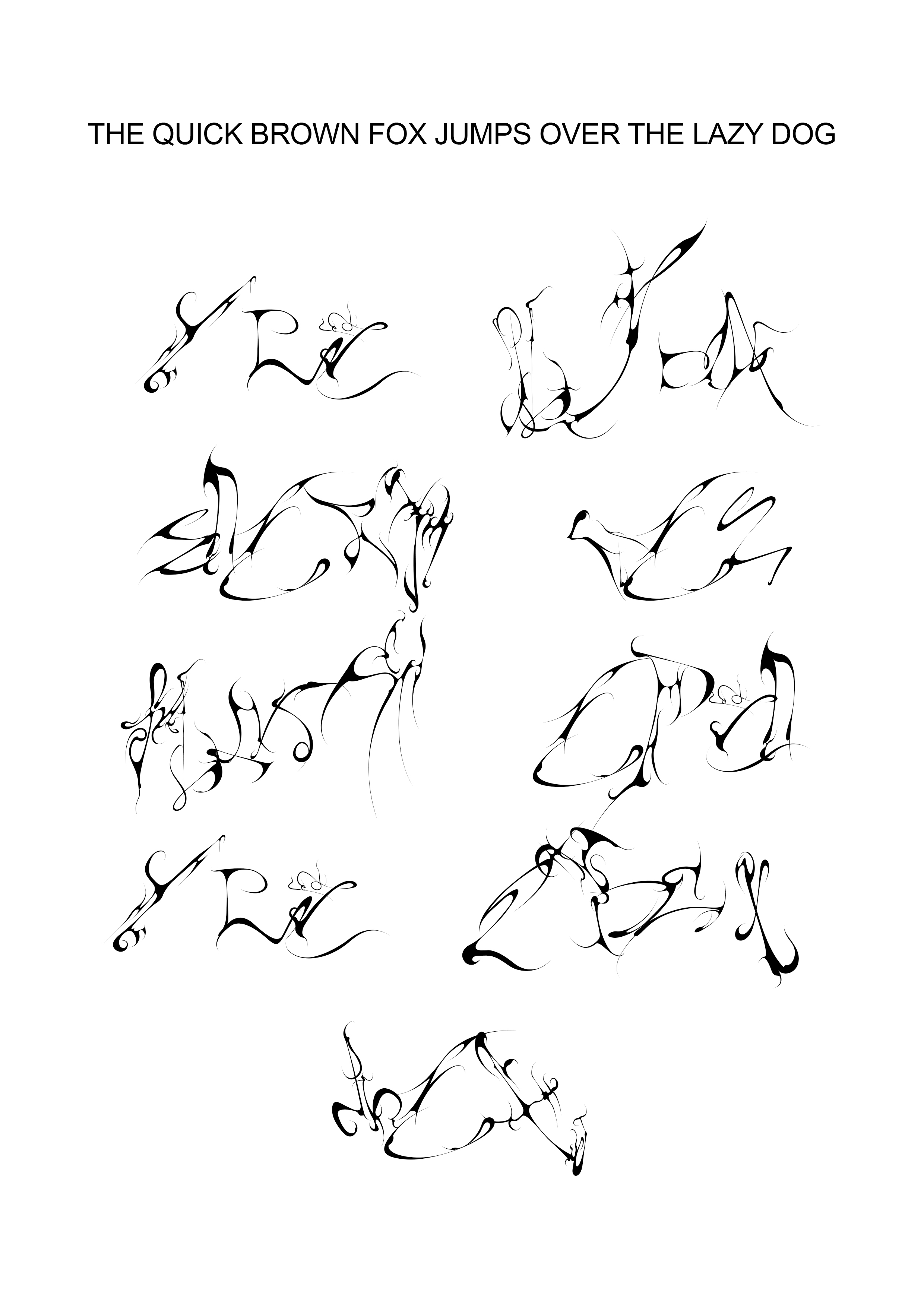
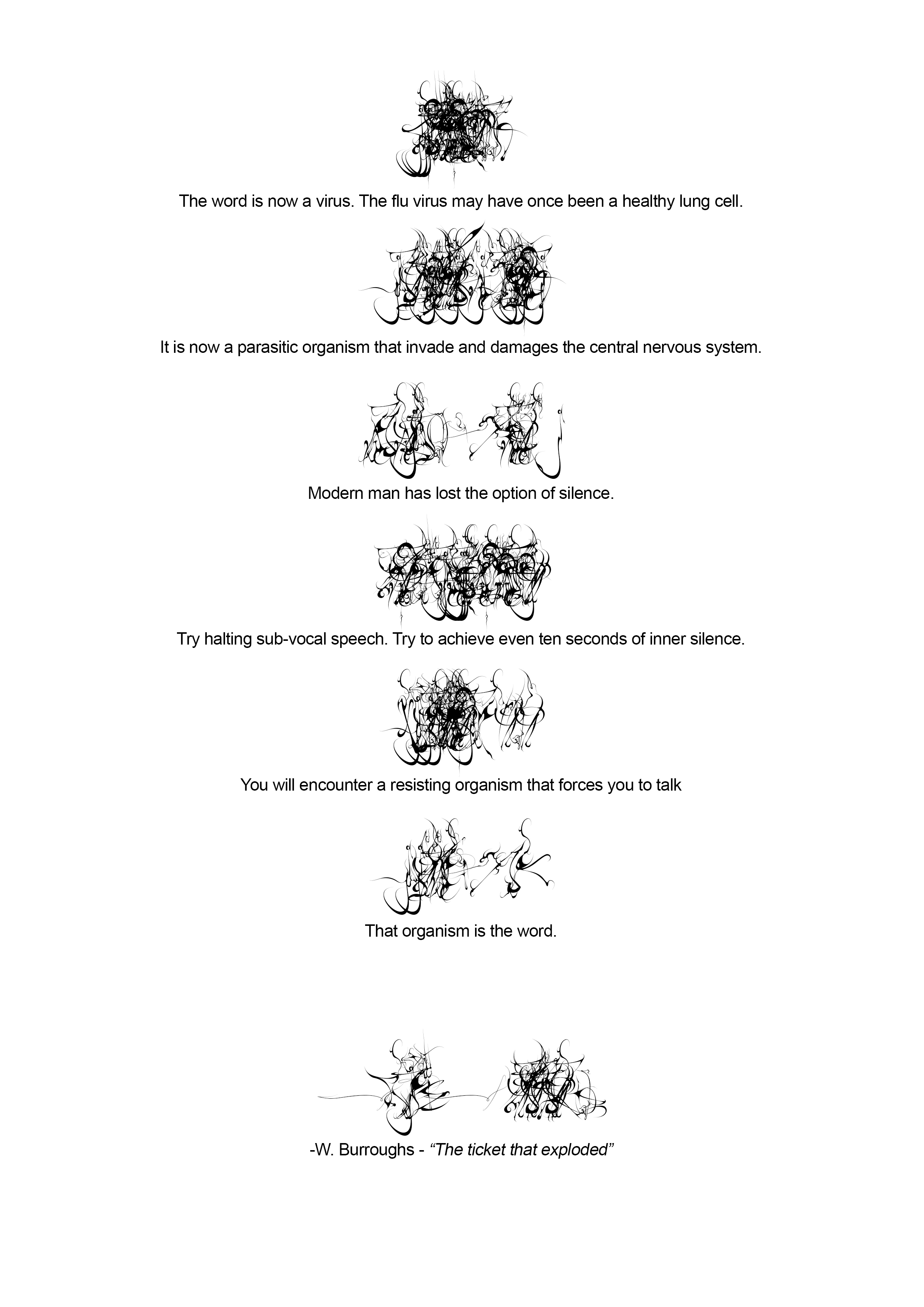
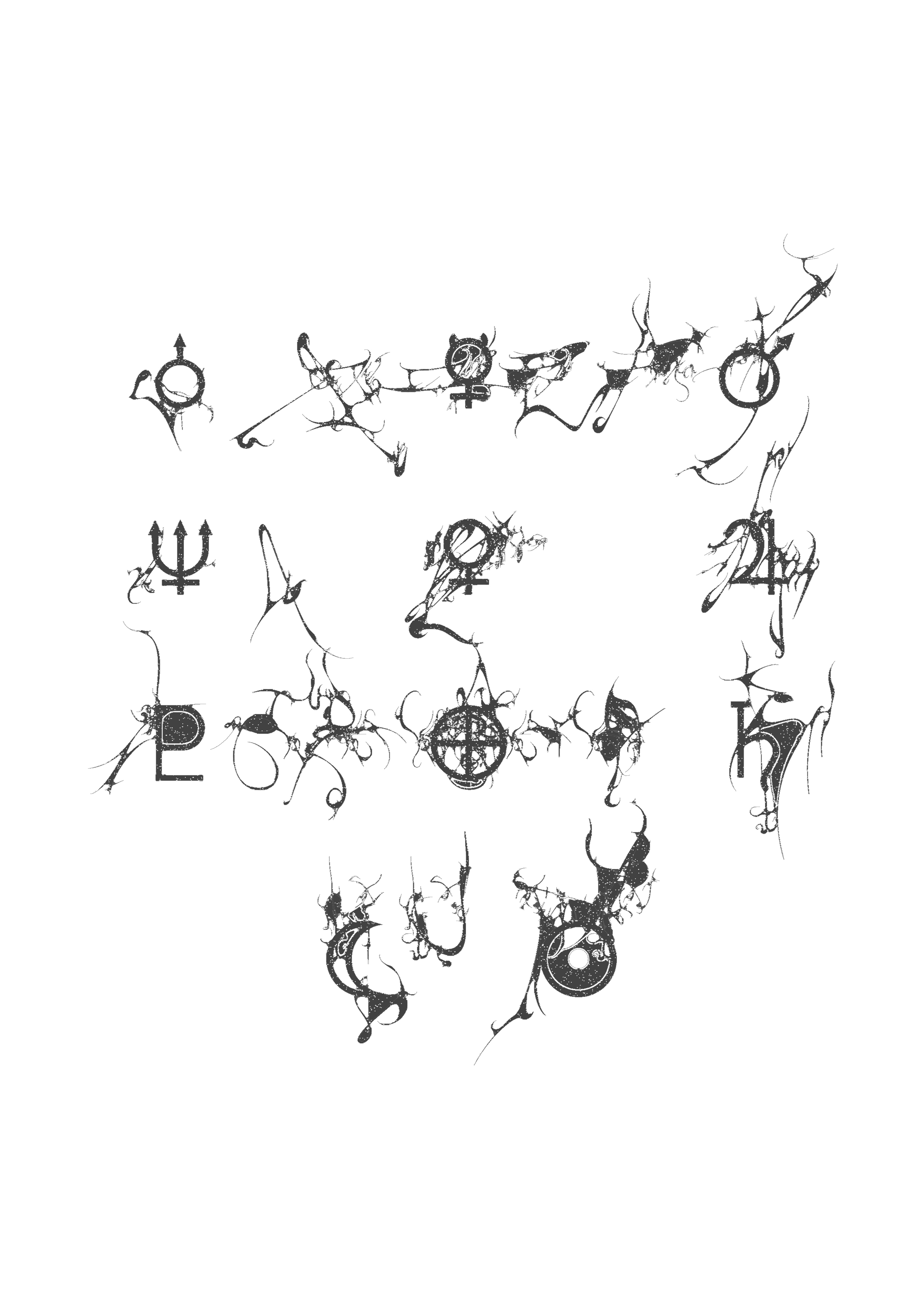
Angel’s Hairs is a visual language based on an a-phonetic alphabet conceived by Pietro Agostoni and Daniele Guerrini and designed by Pietro Agostoni.
It originates from a process of research in the fields of psychology, esotericism, cognitive sciences and visual expression.
At the basis of the project is the inclination of the human mind to communicate through images, creating symbols and reference patterns to (d)e(n)code reality. This allows for several ways of communicating with the unconscious and creating meaning.
The verbal mode of language developed by humanity is just one of many in which human consciousness can possibly operate and only one among many languages present in nature. At different levels and with different scales of magnitude, not only us as human beings, but all living beings share a capability to (de)code the reality we live in through language, thus becoming ourselves creators of that same reality.
The cognitive process that leads us to attribute a certain meaning to a certain image, a certain sound or to any language known to us, is sufficient for the pre-determined meaning to become itself reality and manifest itself in it. This relationship between language and meaning constitutes one of the foundations of the world in which we live. If for William S. Burroughs words are “a virus” and “a resisting organism” that renders humans incapable of inner silence (Burroughs, 1961), it is by that very viral nature that it is able to materialize the structures and power relations that constitute reality.
Based on this, if we move away from the idea of written language as we commonly understand it, which is a way to activate a process of communication and understanding between human beings, and we think instead as a means to activate a process of communication and understanding of nature and of our own unconscious, we become explorers of multiple realities and we enter the cognitive dynamics of our mind, approaching a language of nature of which we are part.
We attribute a value to writing as a form of language, capable of crystallizing concepts, ideas and investigating the unconscious while not having an explicit phonetic reference and a unique and shared meaning.
We created symbols that replace the letters of the Latin alphabet through which those who use this tool, whilst knowing within themselves the meaning they are giving to the text, when they manifest it in this form they will experience it losing its apparent meaning. In this way, anyone who uses this language will be faced with thoughts written by themselves but apparently deprived of their original meaning and enriched with a new immanent meaning.
By withdrawing from common language and immediate understanding, we investigate a possible means of manifesting new meanings, turning the process of writing into the tracing of lines of chance and flight, a way of “writing to the nth power, the n-1 power” as Deleuze and Guattari put it in A Thousand Plateaux: “We will contrast a paranoid-interpretive ideal regime of signifiance with a passional, postsignifying subjective regime.”
(Deleuze & Guattari, 1980)
We forged Angel’s Hairs as a possible tool for investigating reality, the cognitive structures of the mind and the unconscious, therefore a tool that allows to materialize the possibility for new codes and meanings, akin to the tradition of occult practices such as hermetic Qabbalah, utilized as “a self regenerating mass-cultural glitch” that “mimics the senseless exuberance of virus” (Land, 2007). Just like Qabbalah, this alphabet is “intrinsically related to an Outsideness through which alone it could derive programmatic sense” (ibid.) aiming at destining “each and every ‘strategic appropriation’ to self-parody and derision” (ibid.)
We therefore exclude any uniqueness of meaning and use, and we attribute a collective intention to its private nature.
This collection of symbols is the result of years of practice on asemic writing developed by Pietro Agostoni.
Pietro made glyphs relying on a temporary sensation, suspending rationality, trying to stimulate the unknown, to make a clean sweep of logical superstructures.
He wanted to reverse the chronological process that turned a capsized bull’s head into what we now know as A. The glyphs were assigned to the letters in a totally personal and instinctive way, inviting the user to weave the silhouettes, conceiving new and fruitful interpretations.
The name Angel’s Hairs wants to recall that sacredness, that superstition triggered by the inability to grasp the inexplicable.
Angel’s Hairs comes to the aid of memory and soothes the natural inclination to seek the Self.
A non-writers font.
Although it does not have a phonetic equivalent, it finds its grammatical origin in the English language, as a way of making it accessible and easy to use, but also according to Aleister Crowley’s precept in his Libel Al Vel Legis: “Thou shalt obtain the order & value of the English Alphabet; thou shalt find new symbols to attribute them unto.”
(Crowley, 1904)
Angel’s Hairs allows you to create grammatically and semiotically sensible writings but not legible and comprehensible even to those who know these symbols.
The interest of this work lies in the fields of psychology, parapsychology, esotericism, visual arts and music. Our goal is to create a possible way to access one’s inner world and the energies of the universe through simple practices. Through this project we investigate the connection between gesture and language, how we can give a new meaning to a gesture, and why we attribute such meaning to it. By these means, it is our belief that it’d be possible to practice acts of sorcery, insofar as “every act of writing is a sorcerous operation, a partisan action in a war where multitudes of factual events are guided by the powers of illusion” (CCRU, 2000) and “Where our knowledge of beauty harmonies with the ‘ludus naturae’, sorcery begins (Bey, 1991).